Work structure and customisation
Compare how each product models projects, tasks, work types, and team-specific information.
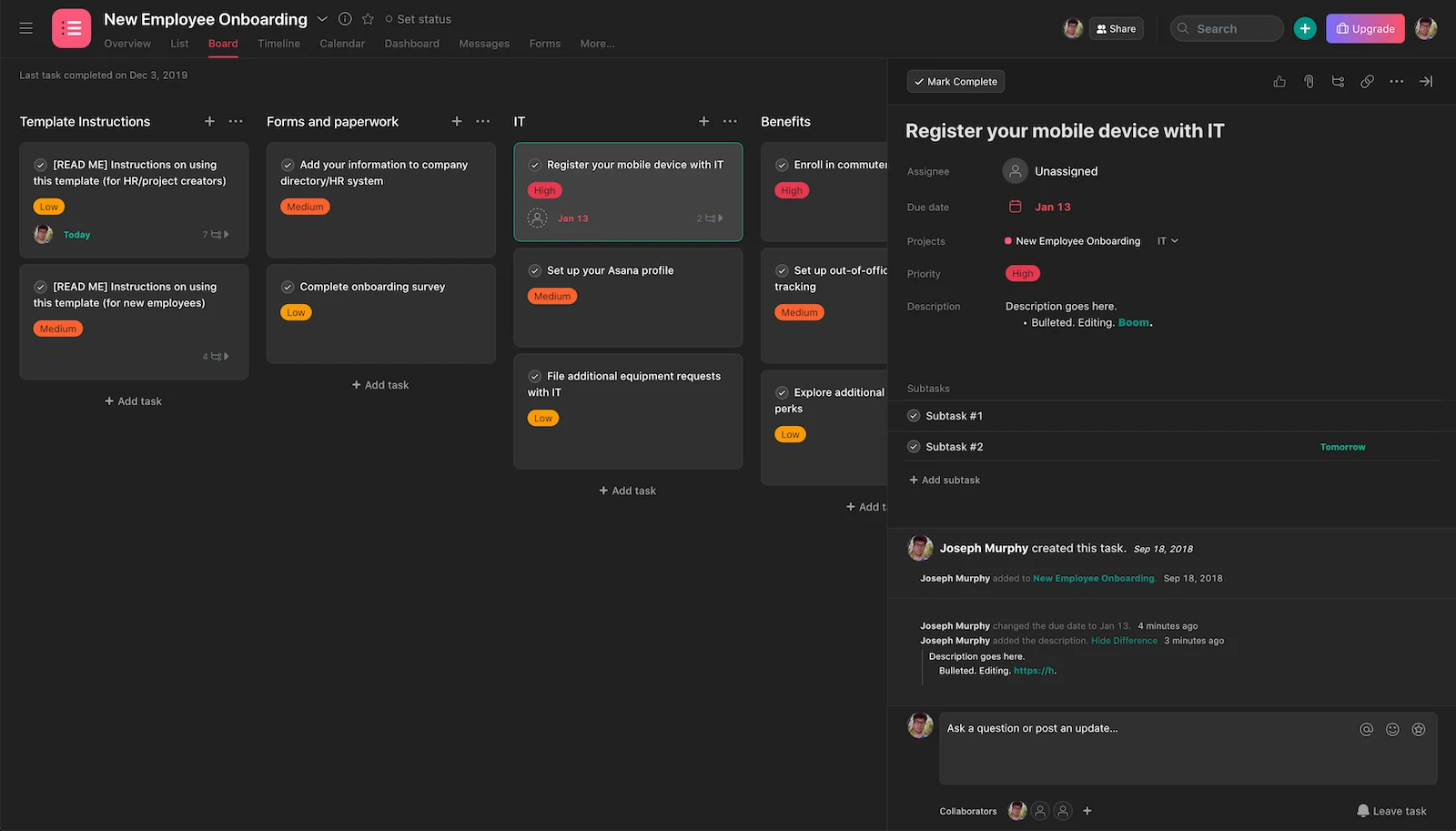
Can filter, sort, and group tasks by custom task type and status. Can search across projects with multiple criteria and library custom fields on Starter and above.
Boards can group and sub-group by status, project, priority, cycle, label, team, assignee, and other supported properties. Nested filters combine issue properties with and/or logic, and filtered views can be saved and shared.
Workflow configuration
Consider whether the team needs a consistent status model or rules that govern how work moves between stages.
Can customise task types, statuses, and rules, but cannot require fields for each status change. Enterprise adds shared setup across teams. Can request and record sign-off with approval tasks; approval tasks alone do not establish enforced status-transition gates.
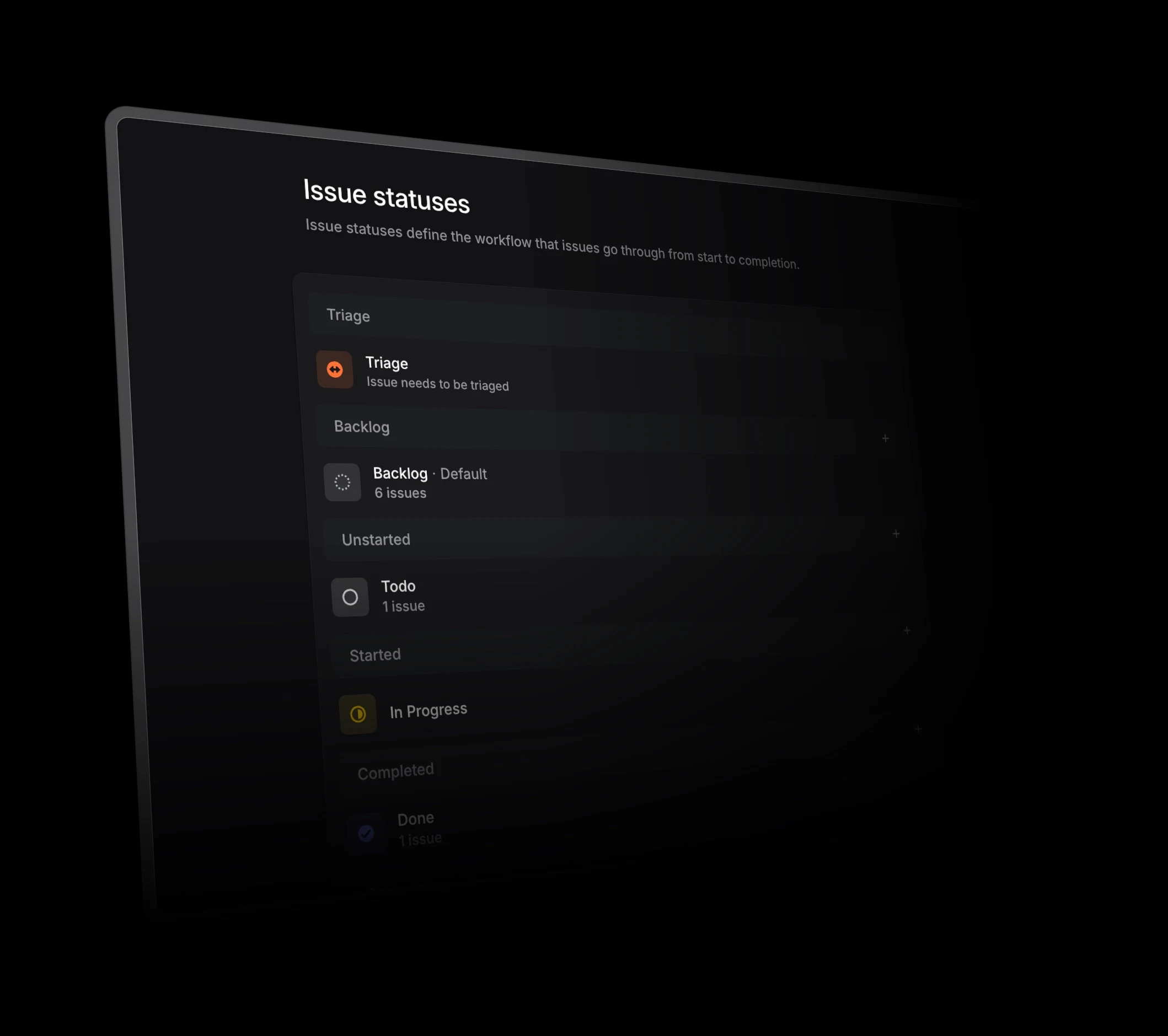
Teams configure workflow statuses and their order within Linear’s standard status categories. Linear does not document Jira-style transition validators, conditions, and post-functions.
Can follow required GitHub or GitLab reviews and checks before a pull request is ready to merge; this does not establish approval gates for arbitrary issue stages. Built-in rules automate common cycle, status, triage, and integration updates.
Access and extensibility
Review the permission model and the options for connecting or extending each product programmatically.
Can make tasks private, but cannot hide a task from members of a project it is shared with. Can control access to teams, projects, project groups, and tasks, including guest access.
Issues follow the access of their owning team, including private-team boundaries. Cross-team projects can expose project context while preserving private issue access. Workspace roles, team ownership, private teams, guests, and Enterprise controls govern access.
Planning and portfolio scope
Consider how near-term execution connects to timelines, initiatives, dependencies, and broader organisational plans.
Can compare workloads across project groups on Advanced. Broader workload and availability planning requires Enterprise. Can track progress, milestones, and reports across projects on Advanced and Enterprise.
Can inspect assigned work through cycles, estimates, and views; availability-aware resource planning needs additional reporting or integrations. Projects, initiatives, cycles, roadmaps, and timelines connect near-term execution with broader product plans.


 Asana
Asana